Scissor Lift Safety: The Essential Do’s and Don’ts for Safe Working at Height
Working at height is one of the most common tasks across construction, maintenance, warehousing, facilities management and industrial sectors. Scissor lifts have become one of the safest and most efficient ways to complete these jobs, allowing operators to work securely while improving productivity.
However, like any piece of powered access equipment, scissor lifts must be operated correctly. Most accidents involving Mobile Elevating Work Platforms (MEWPs) can be prevented through proper planning, training and safe operating procedures.
Whether you’re hiring a scissor lift for a one-day project or using one every day on site, understanding the essential do’s and don’ts is vital for keeping your team safe.
In this guide, we’ll cover everything you need to know about scissor lift safety, including pre-use inspections, operating best practices, common mistakes to avoid and why choosing the right equipment can make all the difference.
What is a Scissor Lift?
A scissor lift is a Mobile Elevating Work Platform (MEWP) designed to provide a stable vertical working platform. Unlike boom lifts, scissor lifts raise operators directly upwards using a criss-cross support mechanism that resembles a pair of scissors.
They are commonly used for:
- Building maintenance
- Electrical installations
- Warehouse operations
- HVAC servicing
- Shop fitting
- Painting and decorating
- Construction projects
- Facilities management
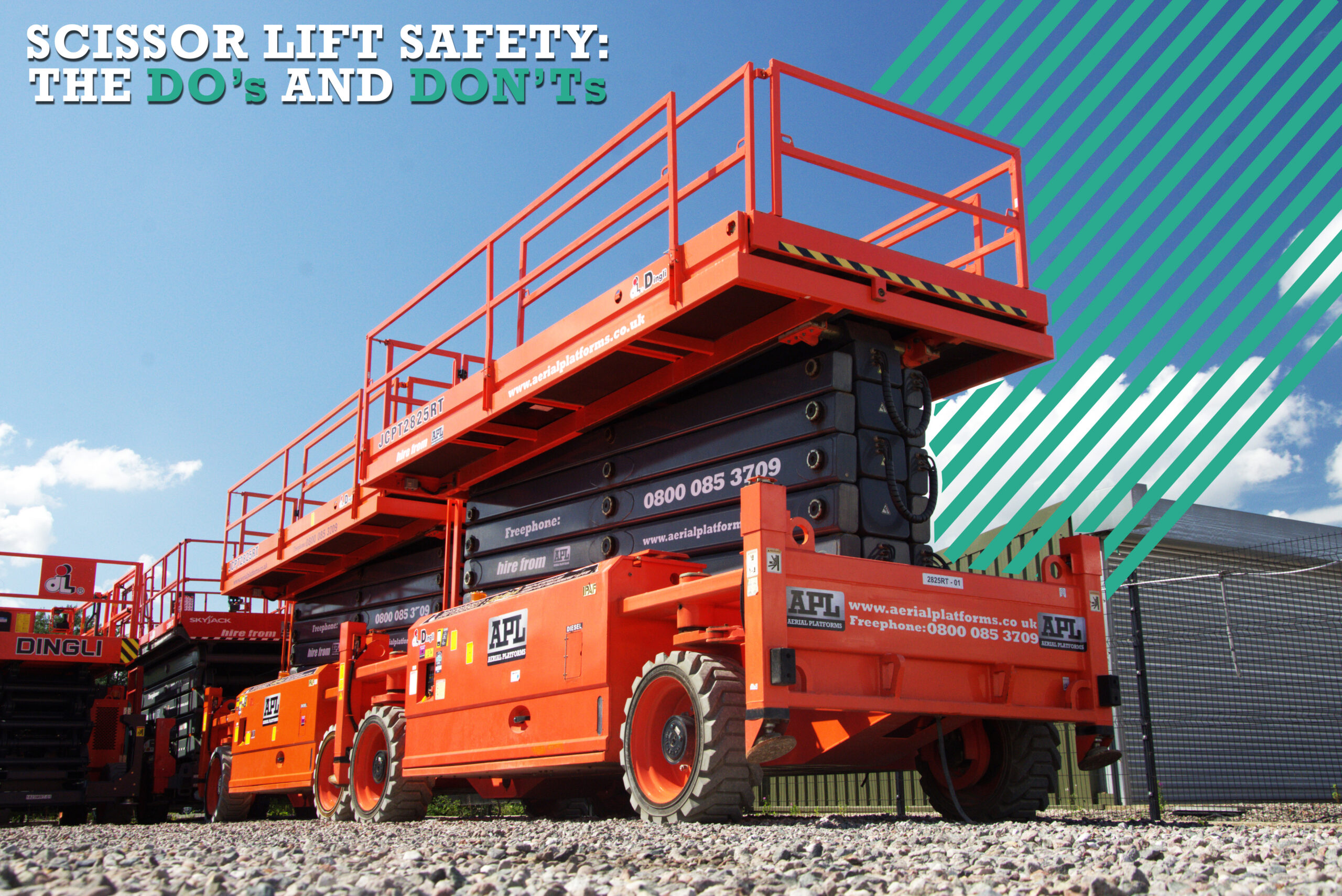
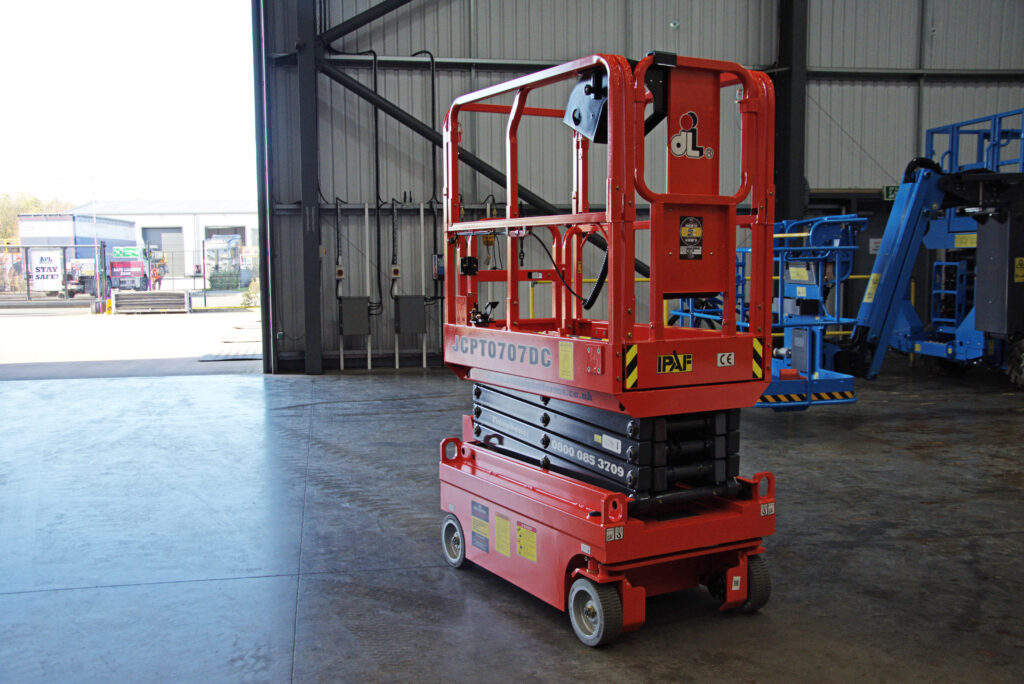
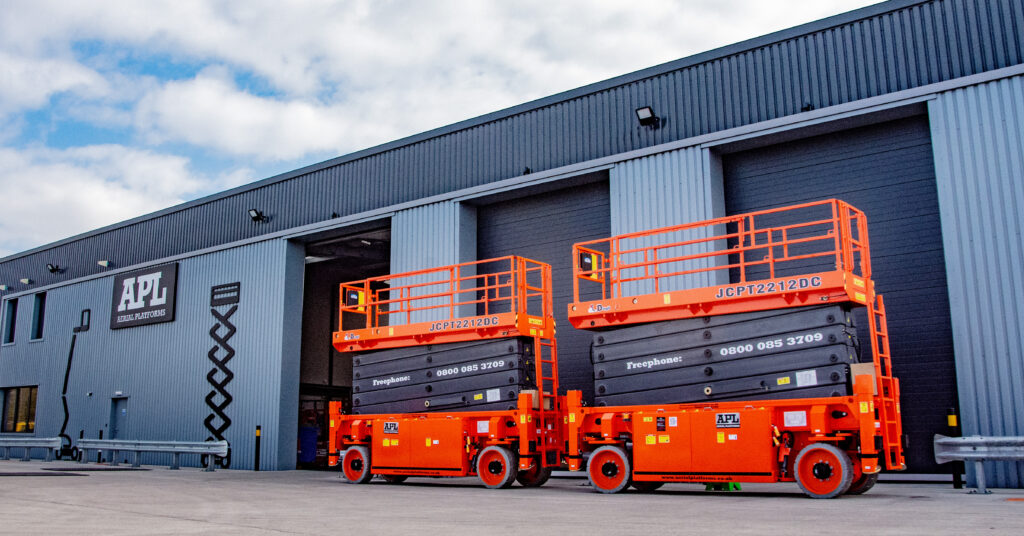
Scissor lifts are available in electric models for indoor use and diesel rough terrain models for outdoor projects where uneven ground is present.
Their large working platforms allow operators to carry both personnel and tools safely, making them one of the most popular access solutions across the UK.
Why Scissor Lift Safety Matters
According to industry safety guidance, working at height remains one of the leading causes of workplace injuries and fatalities.
Common causes of accidents include:
- Falls from height
- Overloading the platform
- Poor ground conditions
- Contact with overhead power lines
- Incorrect use of safety equipment
- Lack of operator training
- Driving while elevated on unsuitable surfaces
The good news is that almost all of these risks can be significantly reduced by following simple safety procedures.
The Do’s of Using a Scissor Lift
1. Do Carry Out a Pre-Use Inspection
Every shift should begin with a thorough inspection of the machine.
Check for:
- Hydraulic leaks
- Tyre condition
- Battery or fuel levels
- Guardrails
- Entry gate
- Emergency lowering controls
- Platform controls
- Warning decals
- Alarm systems
- Emergency stop buttons
If anything appears damaged or isn’t functioning correctly, remove the machine from service immediately.
A five-minute inspection could prevent a serious accident later in the day.
2. Do Make Sure Operators Are Trained
One of the biggest contributors to MEWP accidents is inadequate operator training.
Operators should understand:
- Machine controls
- Safe working loads
- Emergency procedures
- Site hazards
- Stability principles
- Safe driving practices
- Manufacturer operating instructions
Training helps operators recognise hazards before they become dangerous situations.
3. Do Wear the Correct PPE
While PPE won’t prevent every accident, it forms an essential part of working safely.
Typical PPE includes:
- Safety helmet
- High-visibility clothing
- Protective footwear
- Gloves
- Eye protection where required
Site-specific requirements may also apply depending on the working environment.
4. Do Check Ground Conditions
A scissor lift relies on stable ground for safe operation.
Before raising the platform, inspect the area for:
- Soft ground
- Uneven surfaces
- Slopes
- Potholes
- Loose materials
- Underground services
- Floor load limits (indoors)
Even slight instability can significantly increase the risk of tipping.
5. Do Respect the Safe Working Load
Every scissor lift has a maximum platform capacity.
This includes:
- Operators
- Tools
- Materials
- Equipment
Never assume “it’s only one extra person.”
Overloading affects stability and places unnecessary strain on the lifting mechanism.
Always check the manufacturer’s rated capacity before beginning work.
6. Do Keep Both Feet on the Platform
It may sound obvious, but operators should always stand on the platform floor.
Never:
- Stand on guardrails
- Use ladders on the platform
- Climb onto handrails
- Use boxes or pallets for extra height
If you cannot reach the work safely, you probably need a larger machine.
7. Do Plan Your Work Area
Before elevating the platform, assess the surrounding environment.
Look for:
- Pedestrians
- Vehicle movements
- Forklift traffic
- Low ceilings
- Doorways
- Pipework
- Lighting
- Power cables
Good planning prevents unexpected hazards while working at height.
8. Do Keep the Platform Organised
Loose tools create trip hazards.
Keep:
- Cables tidy
- Materials secure
- Tools stored safely
- Walkways clear
Good housekeeping reduces accidents and improves productivity.
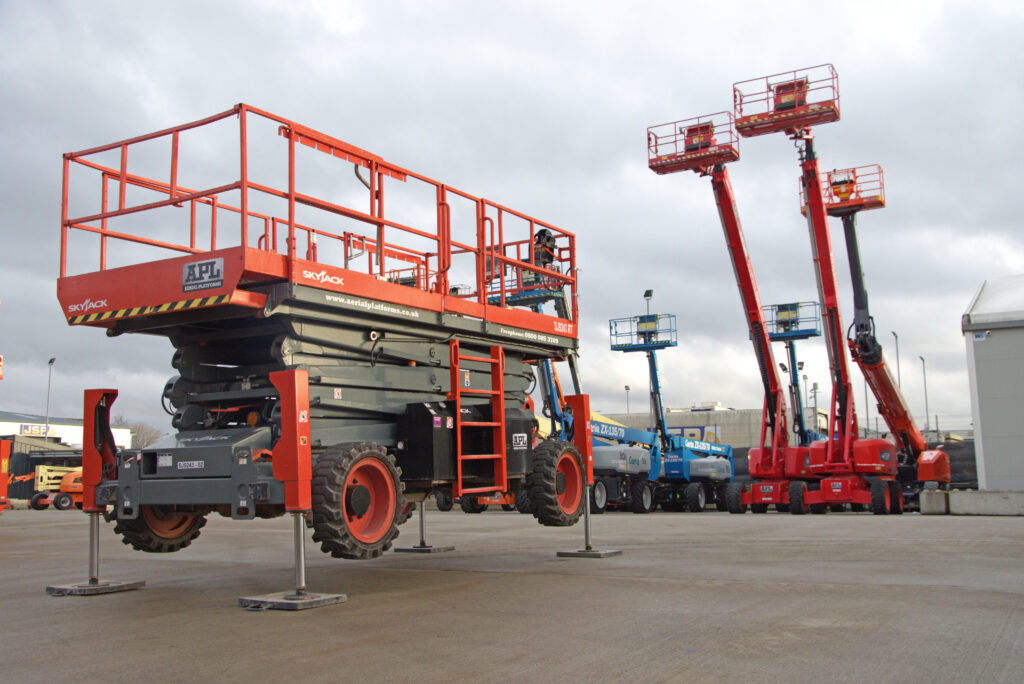
9. Do Use Outriggers When Required
- Some scissor lifts require stabilisers or outriggers.
- Never bypass these systems.
- Modern machines often prevent elevation until stabilisers are correctly deployed.
- These safety features exist for a reason.
10. Do Follow Manufacturer Instructions
Every machine is slightly different.
Always familiarise yourself with:
- Operating manual
- Safety labels
- Control layout
- Emergency lowering system
- Maintenance requirements
Following manufacturer guidance ensures you’re using the equipment as intended.

The Don’ts of Using a Scissor Lift
1. Don’t Exceed the Working Height
Operators sometimes try to gain extra reach by leaning over guardrails.
This dramatically increases the risk of falling.
Instead:
- Reposition the machine
- Select a larger scissor lift
- Use a boom lift if horizontal outreach is required
Always let the equipment do the work—not your body.
2. Don’t Use a Scissor Lift as a Crane
Scissor lifts are designed to lift people and their tools—not suspended loads.
Never:
- Hang equipment from guardrails
- Lift pallets
- Suspend materials beneath the platform
- Use the machine for towing
Doing so can affect stability and damage the equipment.
3. Don’t Operate in High Winds
Outdoor scissor lifts have maximum wind speed limits.
Strong winds can:
- Affect stability
- Cause loss of control
- Increase the risk of overturning
Always follow the manufacturer’s wind rating.
If conditions deteriorate, lower the platform immediately.
4. Don’t Drive at Height Unless Permitted
Many modern scissor lifts allow limited driving while elevated.
However, this should only be done:
- On level surfaces
- At slow speed
- Within manufacturer limits
- After checking for obstacles
Driving across rough terrain while elevated significantly increases tipping risks.
5. Don’t Ignore Warning Alarms
If the machine displays:
- Tilt alarms
- Overload warnings
- Fault codes
- Emergency stop activation
Stop work immediately.
Ignoring safety systems can lead to serious mechanical failures or accidents.
6. Don’t Work Near Power Lines
Electricity remains one of the biggest hazards when working at height.
Maintain safe clearance distances from:
- Overhead power lines
- Temporary site electrics
- Building supplies
- Electrical infrastructure
Electricity can arc across surprisingly large distances.
If in doubt, stay well away.
7. Don’t Modify the Machine
Never remove:
- Guardrails
- Gates
- Sensors
- Safety switches
- Interlocks
Likewise, never install unauthorised attachments.
Modifications may invalidate certifications and compromise safety.
8. Don’t Leave the Platform Elevated Unattended
Whenever work stops:
- Lower the platform
- Remove the key
- Secure the machine
This prevents unauthorised use and reduces site risks.
9. Don’t Use Damaged Equipment
If you notice:
- Bent guardrails
- Hydraulic leaks
- Damaged controls
- Missing decals
- Fault lights
- Excessive wear
Take the machine out of service immediately.
Repairs should only be carried out by qualified engineers.
10. Don’t Rush
- Many workplace accidents happen because people try to save a few minutes.
- Take your time.
- Complete inspections.
- Follow procedures.
- Communicate with colleagues.
- Working safely is always faster than dealing with an accident.
Common Scissor Lift Mistakes
Even experienced operators can develop bad habits.
Some of the most common include:
- Standing on toolboxes for extra reach
- Using unsuitable extension leads
- Parking on uneven surfaces
- Forgetting daily inspections
- Carrying excessive materials
- Working too close to other machinery
- Ignoring weather conditions
- Driving too quickly
Regular refresher training helps prevent these habits from developing.
Indoor vs Outdoor Scissor Lift Safety
Not every scissor lift is suitable for every environment.
Indoor Electric Scissor Lifts
Ideal for:
- Warehouses
- Shopping centres
- Schools
- Hospitals
- Offices
Benefits include:
- Zero emissions
- Quiet operation
- Non-marking tyres
- Compact dimensions
Outdoor Diesel Scissor Lifts
Best suited for:
- Construction sites
- Infrastructure projects
- External maintenance
- Rough terrain
Advantages include:
- Higher working heights
- Larger platforms
- Four-wheel drive
- Greater ground clearance
Choosing the right machine is one of the simplest ways to improve safety on site.
Emergency Procedures
Every operator should know what to do if something goes wrong.
Emergency procedures should include:
- Knowing emergency lowering controls
- Contacting site management
- Using emergency stop functions
- Keeping rescue plans in place
- Reporting faults immediately
Planning for emergencies before they happen can dramatically reduce response times.
Daily Scissor Lift Safety Checklist
Before operating a scissor lift, ask yourself:
- ✔ Has the machine been inspected?
- ✔ Is the ground stable?
- ✔ Have all operators been trained?
- ✔ Is the weather suitable?
- ✔ Is the platform within its safe working load?
- ✔ Are all safety systems functioning?
- ✔ Is the work area free from hazards?
- ✔ Is the correct PPE being worn?
If the answer to any of these is “no”, don’t begin work until the issue has been resolved.
Choosing the Right Hire Partner
Safe operation starts with reliable equipment.
When hiring a scissor lift, choose a supplier that offers:
- Modern, well-maintained equipment
- Thorough pre-delivery inspections
- Expert advice on machine selection
- Nationwide delivery
- Ongoing technical support
- Flexible hire periods
- Machines from leading manufacturers
At Aerial Platforms, safety is at the heart of everything we do. Our fleet is regularly inspected, maintained to the highest standards and supported by experienced powered access specialists who can help you choose the right machine for every job.
Whether you need a compact electric scissor lift for indoor maintenance or a high-reaching diesel model for demanding outdoor construction projects, our team is here to help you work safely and efficiently.